EN
 SV
 DE


How old is your lifejacket?
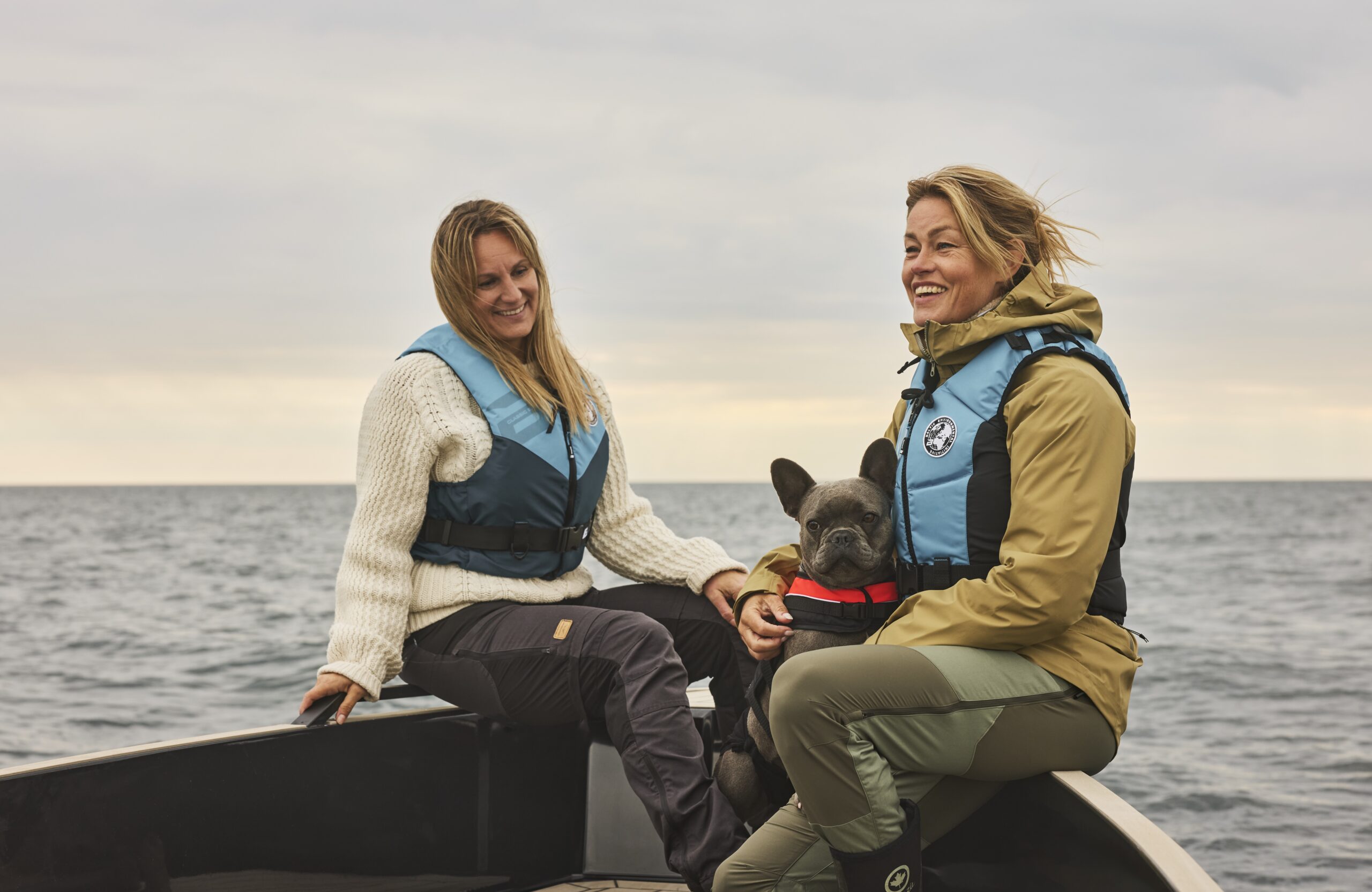
Many lifejackets stay in use season after season. The materials age gradually, and over time it is no longer possible to guarantee the lifejacket’s buoyancy and durability. Our recommended lifespan is 10 years for all our models. If yours has been on many trips and shows signs of wear, it may be time to replace it before the 10 years are up.
We’ll go through what happens to a lifejacket over time and how storage affects its performance.
What happens to a lifejacket over time?
A lifejacket is exposed to many stresses over its lifetime. UV radiation from the sun can, for example, fade and break down the outer fabric, which can make it more brittle. Try to store your lifejacket dry and out of direct sunlight when you’re not using it.
The buoyancy material inside a classic foam-filled 50N lifejacket is also affected by age. The foam contains small air bubbles that give the lifejacket its buoyancy. Over time, the air bubbles can break down, which can cause the foam to absorb water and lose its ability to float.
How to check your lifejacket
It is not always possible to assess the condition of a lifejacket. It is therefore important both to know the year of manufacture and to check the lifejacket’s components regularly.
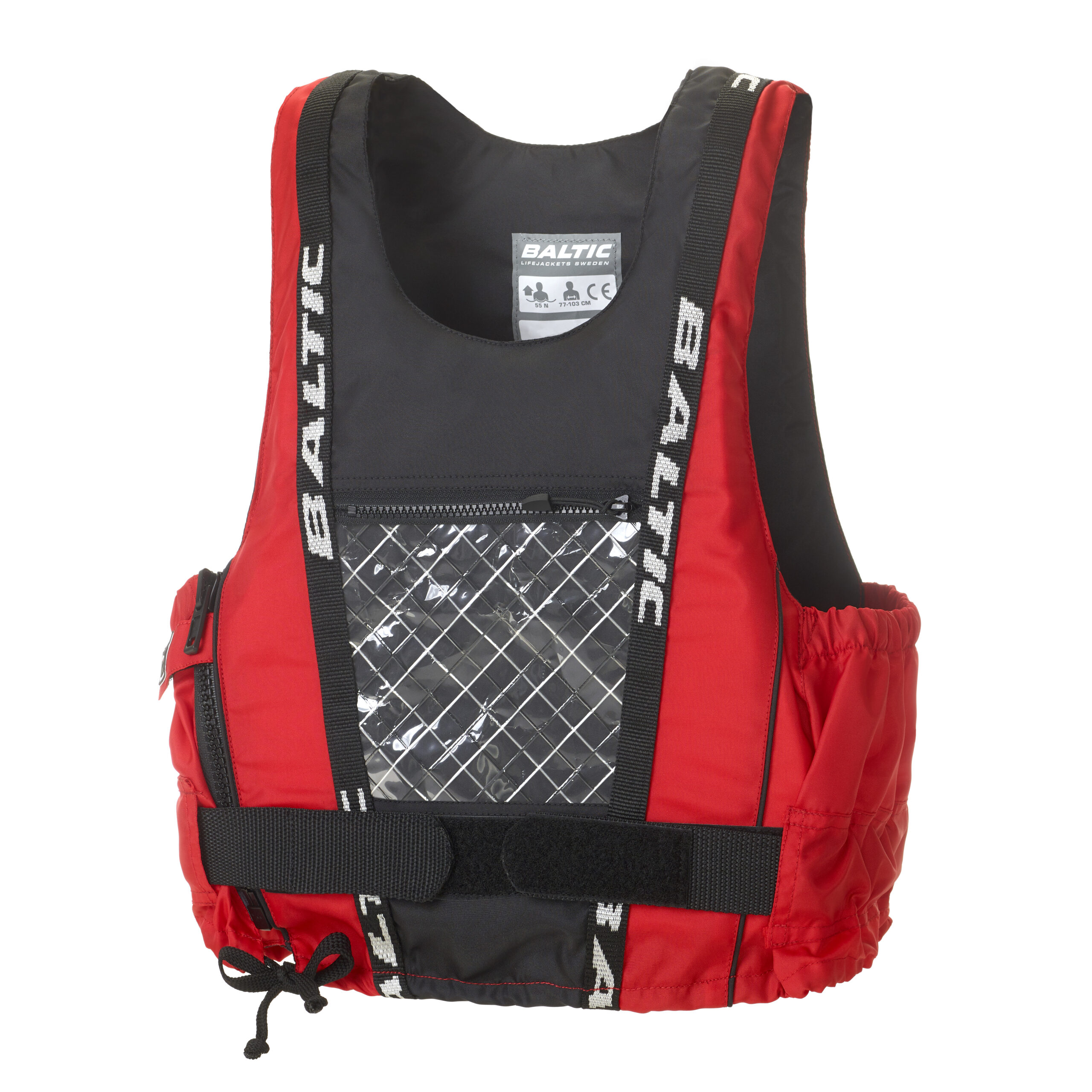
- Check the year of manufacture. On our lifejackets you’ll find a label on the inside. The first two digits of the serial number show the year of manufacture.
- Check the lifejacket’s components. Inspect the outer shell, seams, buckles and straps. Look out for wear, damage and material that has become brittle.
Even if you don’t notice any visible damage, you should replace your lifejacket after 10 years.
Do you have an inflatable lifejacket?
In addition to the recommended lifespan of 10 years, it is important that an inflatable lifejacket is serviced every year. During the service, the gas cartridge and the inflation mechanism are checked, among other things.
Safe Week: we support the Swedish Sea Rescue Society
During Safe Week, we are donating 30% of sales to the Swedish Sea Rescue Society, through 30 November. The Swedish Sea Rescue Society is a non-profit organisation that saves lives, shares knowledge about safety at sea and prevents accidents along Sweden’s coasts and on its larger lakes.
Comfort and fit are part of safety
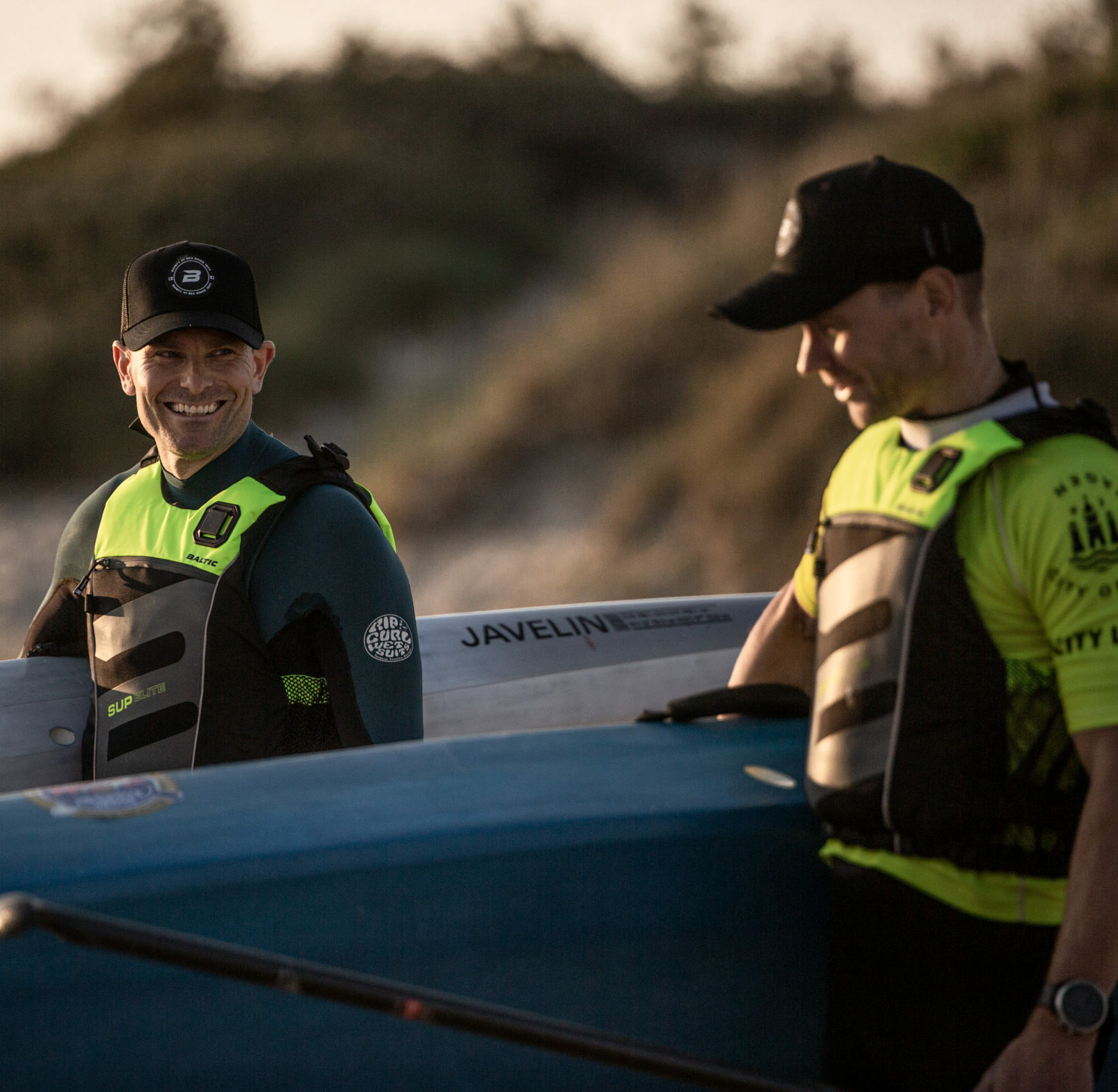
A lifejacket should not limit your experience on the water. It should offer a high level of safety and ease of movement, fit comfortably and feel natural to wear, because that is also the one that gets used, trip after trip. We develop lifejackets with a focus on comfort and fit, for everyone on board and for different activities on the water.
DINGHY SAILING
DINGHY PRO

CHILDREN’S LIFE JACKET
SPLIT FRONT E.I
MOTORBOAT
WINNER